
On October 30, the 9th International Symposium on Advanced High-Power Batteries (CHPB-9 2026) and the 2nd Forum on High-Energy-Density Cylindrical Battery Technology and Market Development were held in Suzhou. Wang Chitang, Chief Product Officer (CPO) of Jiangsu Reliance Energy Technology Co., Ltd., was invited to deliver a presentation titled “What Determines the Rate Capability of Lithium-Ion Batteries? A Kinetic Study Based on Tabless Cylindrical Cells.”
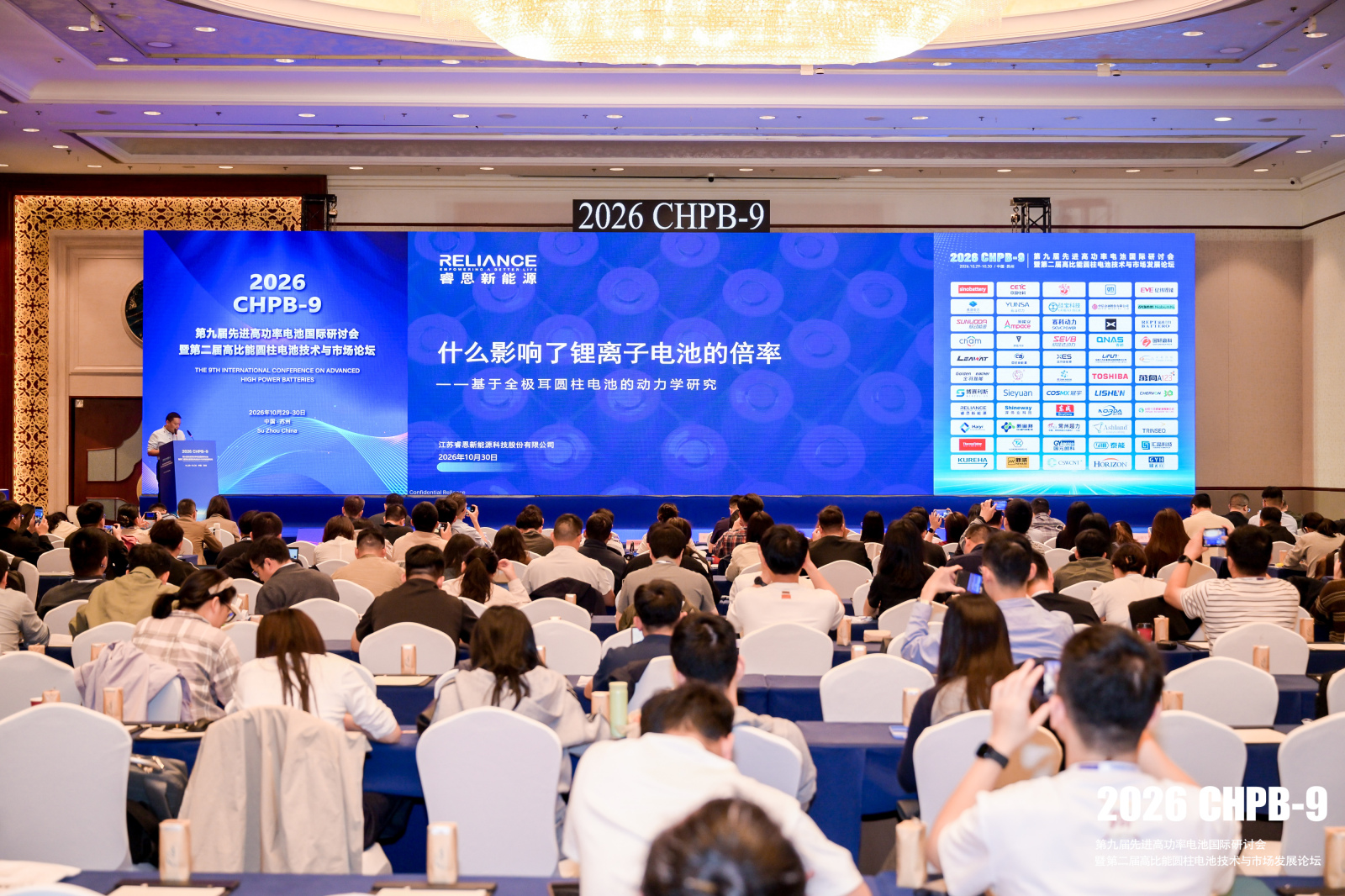
In his presentation, Wang examined the factors that determine battery rate capability, focusing on three fundamental processes: electron transport, interfacial reactions, and ion diffusion. He introduced an impedance engineering approach covering five areas: tabless structural design, composite conductive networks, electrode porosity, material modification, and electrolyte optimization. These measures are designed to reduce internal impedance and improve high-rate charge and discharge performance.
Performance data presented at the forum showed that Reliance's tabless cylindrical lithium-ion cells support continuous discharge at 17.5C at room temperature and 4C discharge at -40°C. Under room-temperature high-rate cycling conditions, capacity retention exceeded 80% after 2,000 cycles. Four Reliance products have also received testing certification from Germany-based BATEMO.
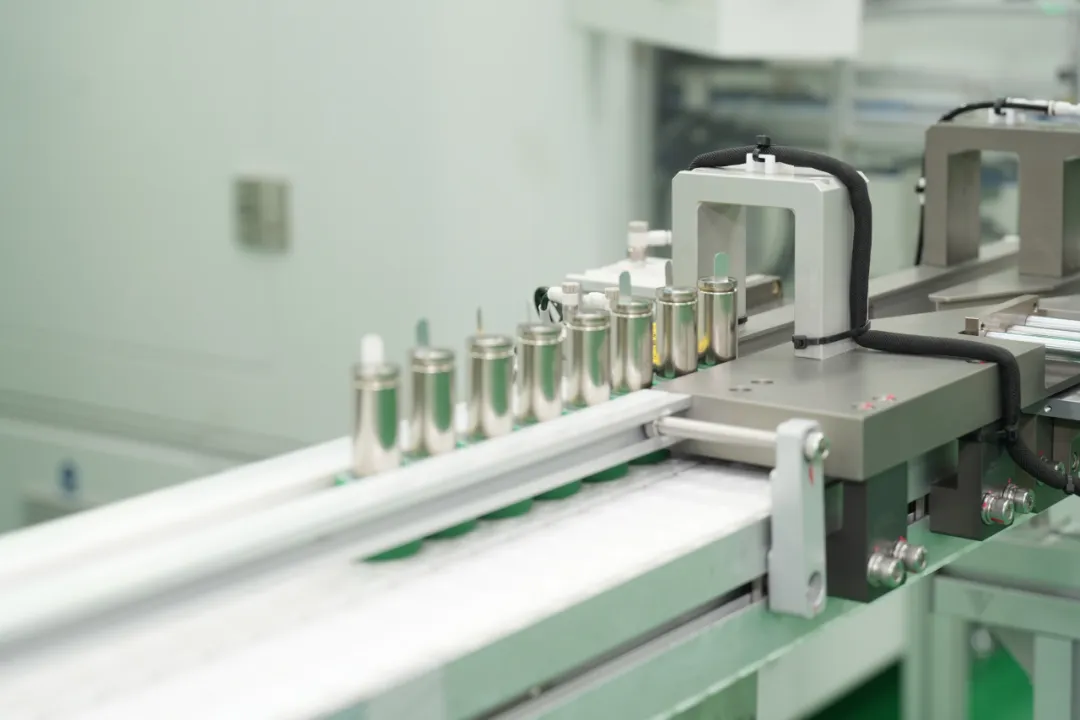
Reliance has focused on high-power cylindrical lithium-ion batteries, building on more than a decade of experience in battery development and manufacturing. Its products are designed for a range of applications, including low-altitude aircraft such as eVTOL, eCTOL and UAVs, robotics, Battery Backup Units (BBUs), premium outdoor power equipment, electric supercars, electric off-road motorcycles, and e-bikes.
.webp)
Reliance will continue to invest in tabless battery research and development, with a focus on improving cell performance and manufacturing capabilities to meet the requirements of high-power applications.